
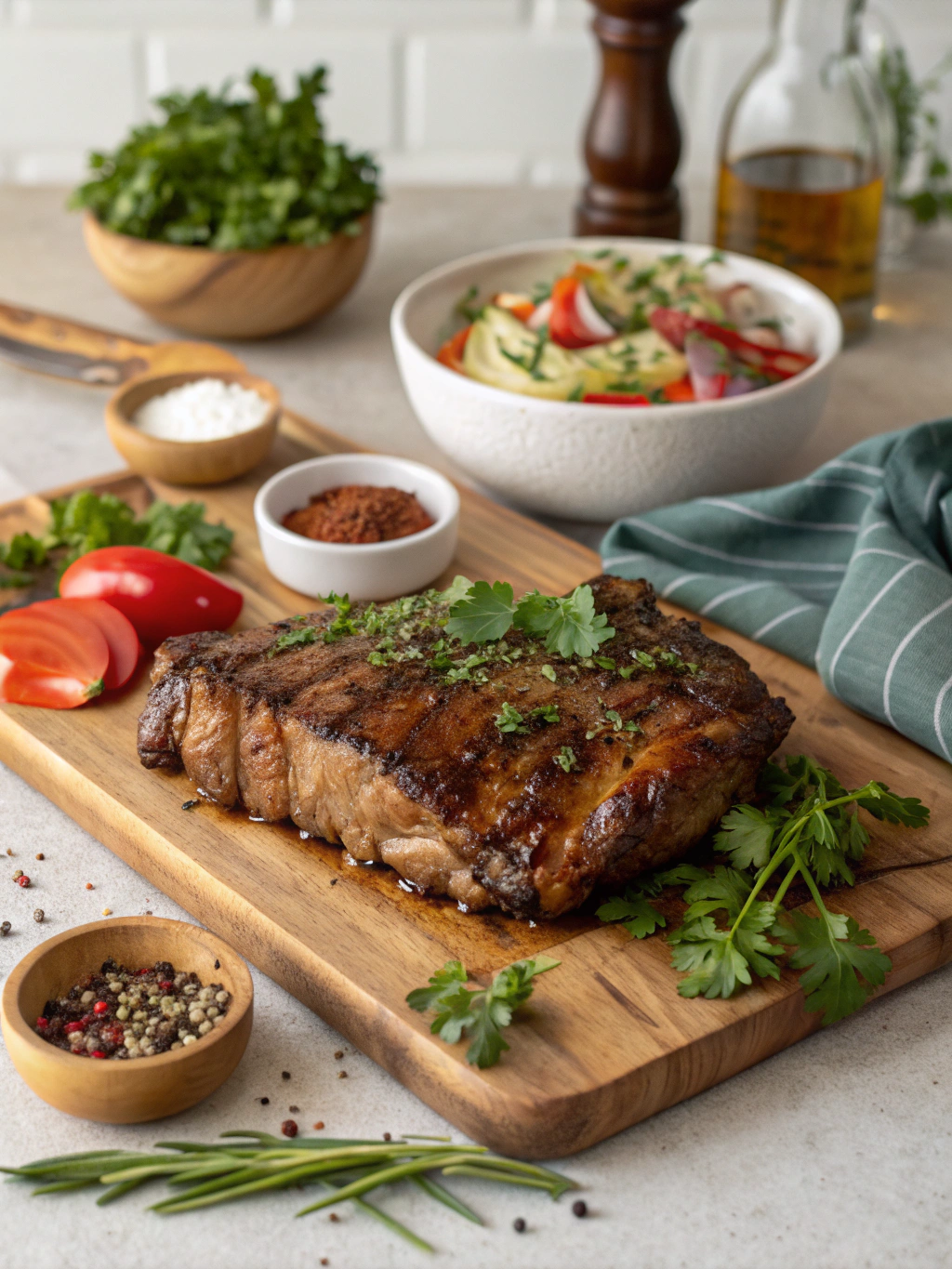
Pork Shoulder Steak Recipes: Grilled, Pan-Seared & Braised
Did you know that pork shoulder steaks are up to 40% more affordable than premium pork chops, yet deliver equally impressive flavor when prepared correctly? If you've been overlooking this budget-friendly cut, you're missing out on one of the most versatile and forgiving pieces of meat in your butcher's case. These pork shoulder steak recipes will transform your weeknight dinners and weekend cookouts, proving that exceptional taste doesn't require a premium price tag.
Often confused with pork blade steak, pork shoulder steaks come from the upper portion of the pig's front leg and contain beautiful marbling that keeps them moist during cooking. Whether you're grilling outdoors, searing on your stovetop, or braising low and slow, these techniques will help you unlock incredible depth of flavor while maintaining tenderness that rivals more expensive cuts.
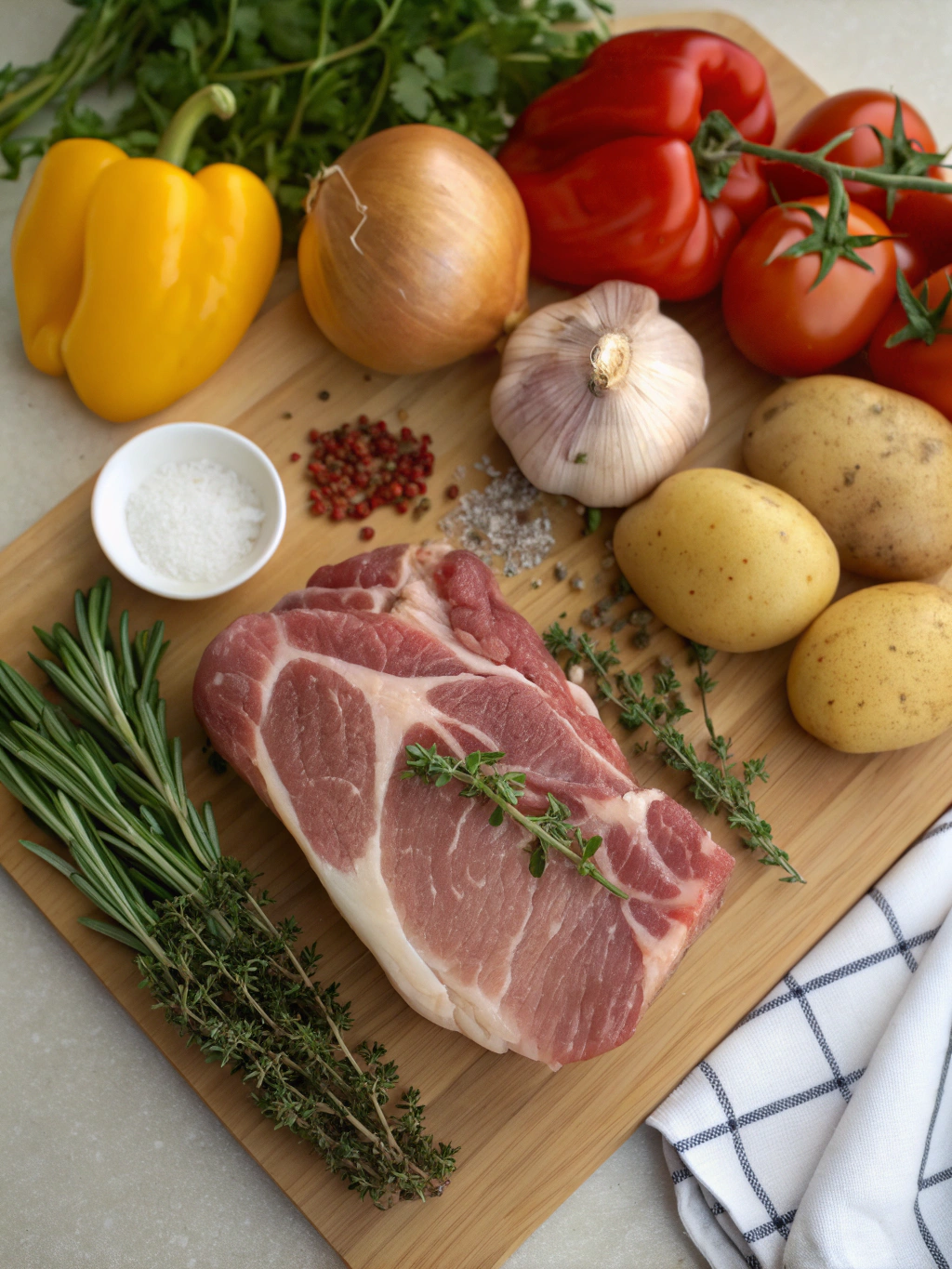
Ingredients List
For Grilled Pork Shoulder Steaks:
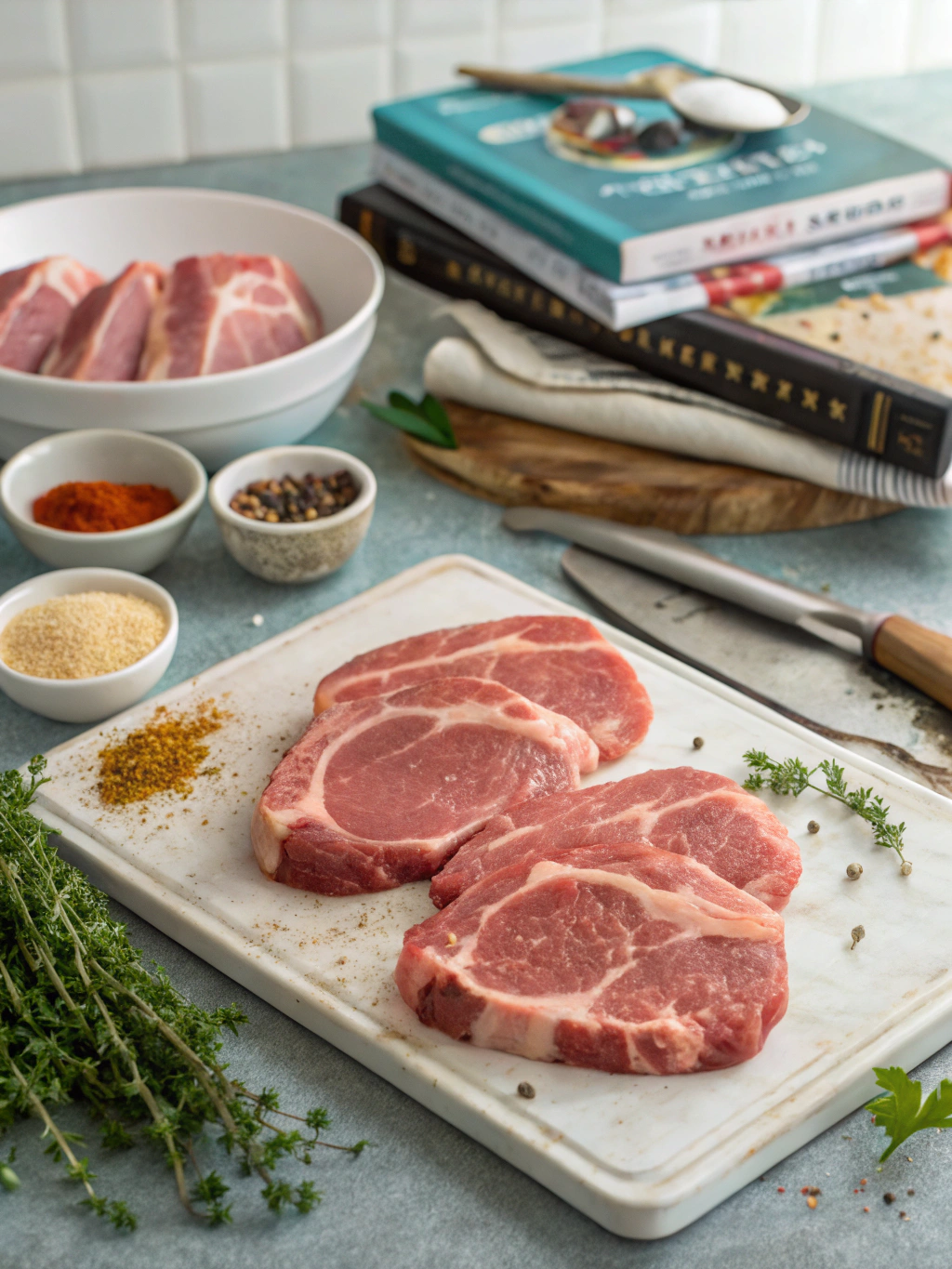
- 4 pork shoulder steaks (approximately 1-inch thick, about 8 oz each)
- 3 tablespoons olive oil
- 4 cloves garlic, minced
- 2 tablespoons fresh rosemary, finely chopped (or 1 tablespoon dried)
- 1 tablespoon smoked paprika
- 2 teaspoons brown sugar
- 1 teaspoon kosher salt
- ½ teaspoon black pepper
- Juice of 1 lemon
For Pan-Seared Pork Shoulder Steaks:
- 4 pork shoulder steaks
- 2 tablespoons vegetable oil (or avocado oil for higher smoke point)
- 2 tablespoons butter
- 3 sprigs fresh thyme
- Salt and pepper to taste
For Braised Pork Shoulder Steaks:
- 4 pork shoulder steaks
- 2 tablespoons olive oil
- 1 large onion, sliced
- 3 cloves garlic, smashed
- 2 cups chicken or beef broth (low-sodium preferred)
- 1 cup apple cider or white wine
- 2 bay leaves
- 1 tablespoon Dijon mustard
- Fresh herbs (thyme, sage, or rosemary)
Substitution Suggestions:
- Replace fresh herbs with dried versions (use 1/3 the amount)
- Swap apple cider with orange juice for a citrusy twist
- Use coconut oil instead of butter for dairy-free options
- Substitute broth with water plus bouillon cubes if needed
Timing
Grilled Method:
- Prep Time: 15 minutes (plus 30-60 minutes marinating)
- Cook Time: 12-15 minutes
- Total Time: Approximately 1 hour 30 minutes
Pan-Seared Method:
- Prep Time: 5 minutes
- Cook Time: 10-12 minutes
- Total Time: 17 minutes (67% faster than grilling!)
Braised Method:
- Prep Time: 15 minutes
- Cook Time: 90 minutes
- Total Time: 1 hour 45 minutes
The braising method takes longer but requires minimal active cooking time, making it perfect for hands-off meal preparation while you tackle other tasks.
Step-by-Step Instructions
Grilled Pork Shoulder Steaks
Step 1: Create the Marinade
Whisk together olive oil, minced garlic, rosemary, smoked paprika, brown sugar, salt, pepper, and lemon juice in a shallow dish. This aromatic blend penetrates the meat fibers, enhancing flavor from the inside out.
Step 2: Marinate the Steaks
Place pork shoulder steaks in the marinade, turning to coat completely. Cover and refrigerate for 30-60 minutes. Avoid marinating longer than 2 hours, as the acid can break down the meat texture excessively.
Step 3: Preheat Your Grill
Heat your grill to medium-high (around 375-400°F). Oil the grates with a paper towel dipped in vegetable oil to prevent sticking.
Step 4: Grill the Steaks
Remove steaks from marinade and let excess drip off. Grill for 6-7 minutes per side, or until the internal temperature reaches 145°F. The USDA revised pork cooking temperatures in 2011, confirming that 145°F with a 3-minute rest produces juicy, safe pork.
Step 5: Rest Before Serving
Transfer steaks to a cutting board and tent loosely with foil. Rest for 5 minutes to allow juices to redistribute throughout the meat.
Pan-Seared Pork Shoulder Steaks
Step 1: Prepare the Steaks
Pat steaks completely dry with paper towels—moisture is the enemy of a good sear. Season generously with salt and pepper on both sides.
Step 2: Heat Your Pan
Place a heavy-bottomed skillet (cast iron works beautifully) over medium-high heat. Add oil and heat until it shimmers but doesn't smoke.
Step 3: Sear the Steaks
Carefully lay steaks in the pan, ensuring they don't overlap. Sear without moving for 5 minutes until a golden-brown crust develops.
Step 4: Flip and Finish
Turn steaks and add butter and thyme sprigs to the pan. Tilt the pan slightly and baste the steaks with the melted butter for 4-5 minutes until they reach 145°F internally.
Step 5: Rest and Serve
Remove from heat and rest for 3-5 minutes before slicing against the grain.
Braised Pork Shoulder Steaks
Step 1: Brown the Meat
Heat olive oil in a Dutch oven over medium-high heat. Season steaks with salt and pepper, then brown for 3-4 minutes per side. Remove and set aside.
Step 2: Build the Braising Liquid
In the same pot, sauté onions until softened (about 5 minutes). Add garlic and cook for 1 minute. Pour in broth and apple cider, scraping up browned bits from the bottom.
Step 3: Add Aromatics
Stir in Dijon mustard, bay leaves, and fresh herbs. Bring to a simmer.
Step 4: Braise Low and Slow
Return steaks to the pot, ensuring they're mostly submerged. Cover and reduce heat to low. Simmer gently for 90 minutes until fork-tender.
Step 5: Reduce the Sauce
Remove steaks and keep warm. Increase heat to medium-high and reduce braising liquid by half (about 10 minutes) for a concentrated, flavorful sauce.
Nutritional Information
Per serving (one 8 oz pork shoulder steak, grilled):
- Calories: 340
- Protein: 36g
- Total Fat: 20g
- Saturated Fat: 6g
- Carbohydrates: 2g
- Fiber: 0g
- Sodium: 380mg
- Cholesterol: 115mg
Pork shoulder steaks provide approximately 72% of your daily protein needs and are rich in B vitamins, particularly thiamine and niacin, which support energy metabolism. They also contain significant amounts of zinc and selenium, essential minerals for immune function.
Healthier Alternatives for the Recipe
Reduce Fat Content:
Trim visible fat from the edges before cooking to reduce saturated fat by approximately 30%. While some marbling is beneficial for flavor, external fat isn't necessary.
Lower Sodium Options:
Use low-sodium broth and reduce added salt by half. Compensate with acid (lemon juice or vinegar) and herbs to maintain flavor complexity.
Increase Vegetables:
Add bell peppers, mushrooms, and zucchini to the braising liquid or serve grilled vegetables alongside. This increases fiber and nutrient density while controlling portion sizes.
Alternative Cooking Fats:
Replace butter with heart-healthy avocado oil, which has a similar richness but contains more monounsaturated fats.
Portion Control:
Consider serving 6 oz portions instead of 8 oz, which still provides ample protein while reducing overall calorie intake by 15%.
Serving Suggestions
These versatile pork shoulder steak recipes pair beautifully with numerous side dishes:
For Grilled Steaks:
Serve alongside grilled vegetable skewers, corn on the cob, and a fresh coleslaw. The smoky char complements crisp, refreshing sides perfectly.
For Pan-Seared Steaks:
Pair with creamy mashed potatoes, roasted Brussels sprouts, or a simple arugula salad dressed with lemon vinaigrette. The butter sauce can be drizzled over everything for cohesive flavor.
For Braised Steaks:
Serve over creamy polenta, egg noodles, or cauliflower mash to soak up the incredible braising liquid. Add roasted root vegetables for a complete comfort meal.
Wine Pairings:
A medium-bodied Pinot Noir or Zinfandel complements the rich, savory flavors beautifully, while a crisp Riesling provides refreshing contrast.
Common Mistakes to Avoid
Overcooking:
The most frequent error is cooking pork shoulder steaks past 145°F, resulting in dry, tough meat. Invest in a reliable instant-read thermometer—it's the difference between mediocre and exceptional results.
Skipping the Rest Period:
Cutting into steaks immediately after cooking causes juices to run out onto the cutting board instead of staying in the meat. Always rest for at least 3-5 minutes.
Not Drying the Surface:
For pan-seared steaks, moisture prevents proper browning. Always pat meat completely dry before it hits the pan.
Crowding the Pan:
Overlapping steaks in the pan creates steam instead of sear. Cook in batches if necessary to maintain proper spacing.
Using High Heat for Braising:
Braising requires gentle, low heat. Boiling toughens the meat and prevents the connective tissue from breaking down properly into succulent gelatin.
Cutting With the Grain:
Always slice against the grain (perpendicular to the muscle fibers) to maximize tenderness. Cutting with the grain creates chewy, stringy bites.
Storing Tips for the Recipe
Refrigeration:
Store cooked pork shoulder steaks in an airtight container for up to 4 days. Keep any sauce or braising liquid separate to prevent the meat from becoming soggy.
Freezing:
Wrap individual steaks tightly in plastic wrap, then place in freezer bags. Remove as much air as possible. Properly stored, they'll maintain quality for up to 3 months.
Reheating:
For grilled or pan-seared steaks, reheat gently in a covered skillet with a splash of broth over medium-low heat. Braised steaks can be reheated directly in their sauce over low heat until warmed through.
Meal Prep Strategy:
Marinate raw steaks in portioned freezer bags, then freeze. Thaw overnight in the refrigerator before cooking for quick weeknight meals.
Sauce Storage:
Braising liquid can be strained, cooled, and stored separately for up to 5 days or frozen for 3 months. It makes an excellent base for future sauces or gravies.
Conclusion
These pork shoulder steak recipes demonstrate that exceptional flavor doesn't require expensive cuts or complicated techniques. Whether you're firing up the grill for a summer barbecue, looking for a quick weeknight pan-seared dinner, or craving the deep, comforting flavors of a braised meal, pork shoulder steaks deliver impressive results every time.
The key to success lies in understanding the cut's characteristics—its generous marbling provides built-in flavor insurance, while proper cooking techniques ensure tenderness that rivals premium chops. By mastering these three fundamental methods, you'll have a versatile arsenal of approaches to suit any occasion or craving.
Ready to transform your dinner routine? Try one of these methods tonight and discover why budget-friendly pork shoulder steaks deserve a permanent place in your recipe rotation. Share your results in the comments below, and don't forget to tag us with your cooking photos on social media!
FAQs
Q: What's the difference between pork shoulder steaks and pork blade steaks?
A: These terms are often used interchangeably, as both come from the shoulder region. Pork blade steaks specifically come from the blade bone area and may contain a small bone, while "shoulder steak" is a broader term that can include boneless cuts from the entire shoulder region.
Q: Can I cook pork shoulder steaks from frozen?
A: While possible, it's not recommended for best results. Frozen steaks won't develop a proper sear and cook unevenly. For best texture and flavor, thaw overnight in the refrigerator before cooking.
Q: Why are my pork shoulder steaks tough?
A: Toughness typically results from either overcooking (past 145°F) or slicing with the grain instead of against it. The shoulder contains connective tissue that requires either quick, high-heat cooking to stay tender or long, slow braising to break down completely.
Q: Can I use these recipes for other pork cuts?
A: Absolutely! Pork chops work beautifully with the grilled and pan-seared methods, while tougher cuts like pork butt benefit from braising. Adjust cooking times based on thickness.
Q: How do I know when pork shoulder steaks are done without a thermometer?
A: While a thermometer is most accurate, you can check doneness by pressing the meat—it should feel firm but still have slight give, similar to the fleshy part of your palm when you touch your thumb to your middle finger. The juices should run clear, not pink.
Q: Can I marinate pork shoulder steaks overnight?
A: You can, but it's not necessary and may actually over-tenderize the exterior. For pork shoulder steaks, 30-60 minutes provides optimal flavor penetration without compromising texture.
Q: What's the best way to tenderize pork shoulder steaks?
A: The cut is already relatively tender due to marbling. Avoid pounding or using meat tenderizers, which can make the texture mushy. Instead, use proper cooking techniques, rest the meat after cooking, and always slice against the grain.