
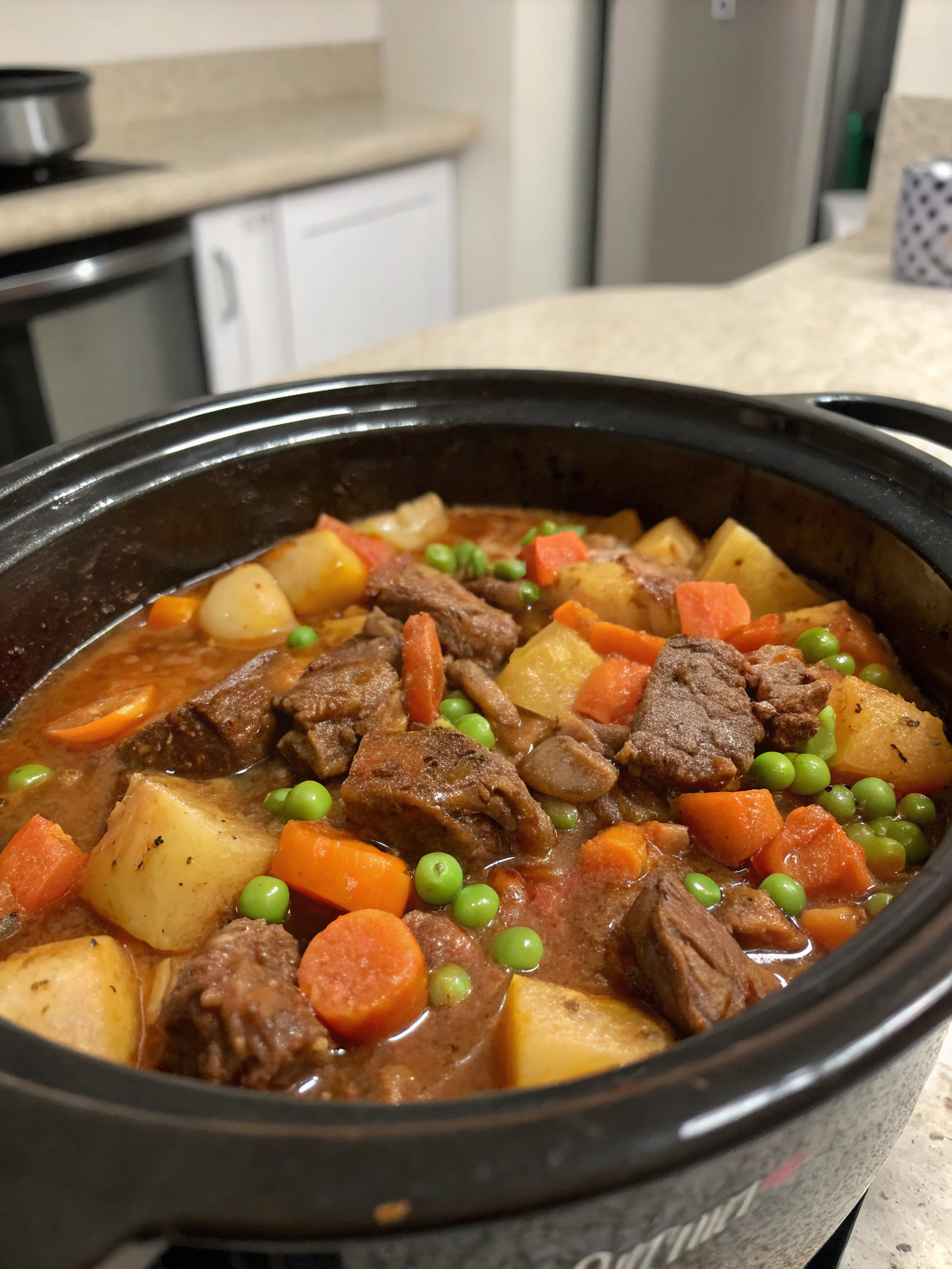
How to Cook Healthy Slow Cooker Beef Recipes: Your Complete Guide to Tender, Nutritious Meals
Did you know that slow-cooked beef can retain up to 80% more nutrients compared to high-heat cooking methods? This surprising fact challenges the common belief that lengthy cooking times diminish nutritional value. If you're looking to transform tough cuts of beef into melt-in-your-mouth masterpieces while maximizing health benefits, you've come to the right place. Mastering healthy slow cooker beef recipes doesn't require culinary expertise—just the right techniques and a bit of patience.
The beauty of slow cooker beef dishes lies in their simplicity and nutritional density. With minimal effort, you can create restaurant-quality meals that support your wellness goals while satisfying even the pickiest eaters at your table.
Ingredients List
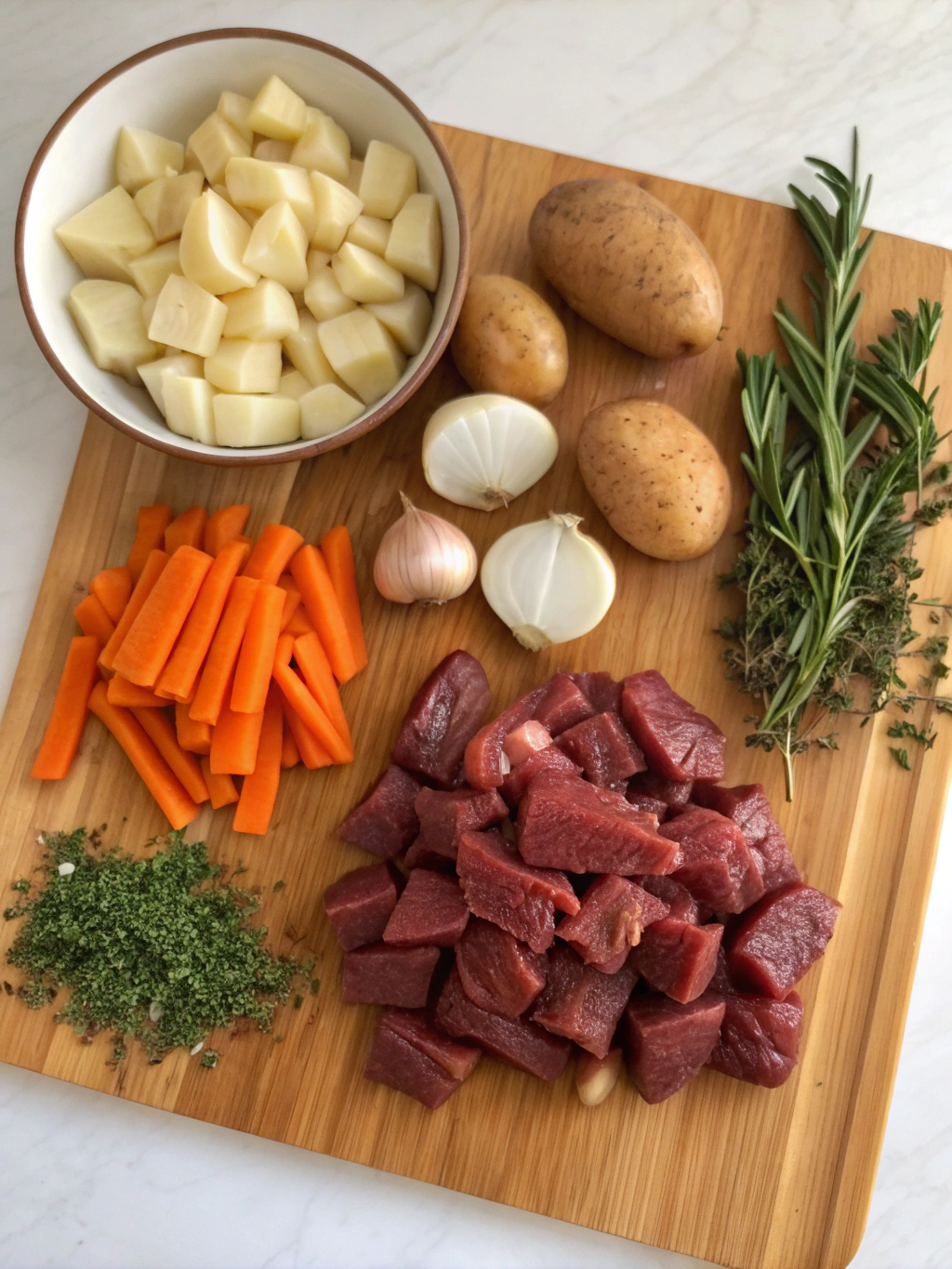
For a classic healthy slow cooker beef recipe that serves 6-8 people, gather these wholesome ingredients:
Protein Base:
- 3 pounds grass-fed beef chuck roast or lean stew meat (substitute: bison or venison for leaner options)
- 2 tablespoons avocado oil or olive oil
Aromatic Foundation:
- 1 large yellow onion, roughly chopped (substitute: shallots for milder flavor)
- 4 cloves garlic, minced
- 2 celery stalks, diced
- 3 large carrots, cut into 2-inch pieces (substitute: parsnips for earthy sweetness)
Liquid Components:
- 2 cups low-sodium beef bone broth (substitute: vegetable broth for lighter flavor)
- 1 cup dry red wine or additional broth
- 2 tablespoons tomato paste
Herbs and Seasonings:
- 2 bay leaves
- 1 tablespoon fresh thyme (or 1 teaspoon dried)
- 1 tablespoon fresh rosemary, chopped
- 1 teaspoon smoked paprika
- Sea salt and freshly ground black pepper to taste
Optional Nutritional Boosters:
- 1 cup mushrooms, quartered
- 2 cups baby potatoes or sweet potatoes, halved
- 1 tablespoon coconut aminos for umami depth
Timing
Understanding the time investment for healthy slow cooker beef recipes helps with meal planning:
- Preparation Time: 15-20 minutes
- Cooking Time (Low Setting): 8-10 hours
- Cooking Time (High Setting): 4-6 hours
- Total Time: Approximately 8-10 hours
This represents roughly 30% less active cooking time than traditional stovetop methods, freeing you to focus on other tasks while your meal develops complex, layered flavors.
Step-by-Step Instructions
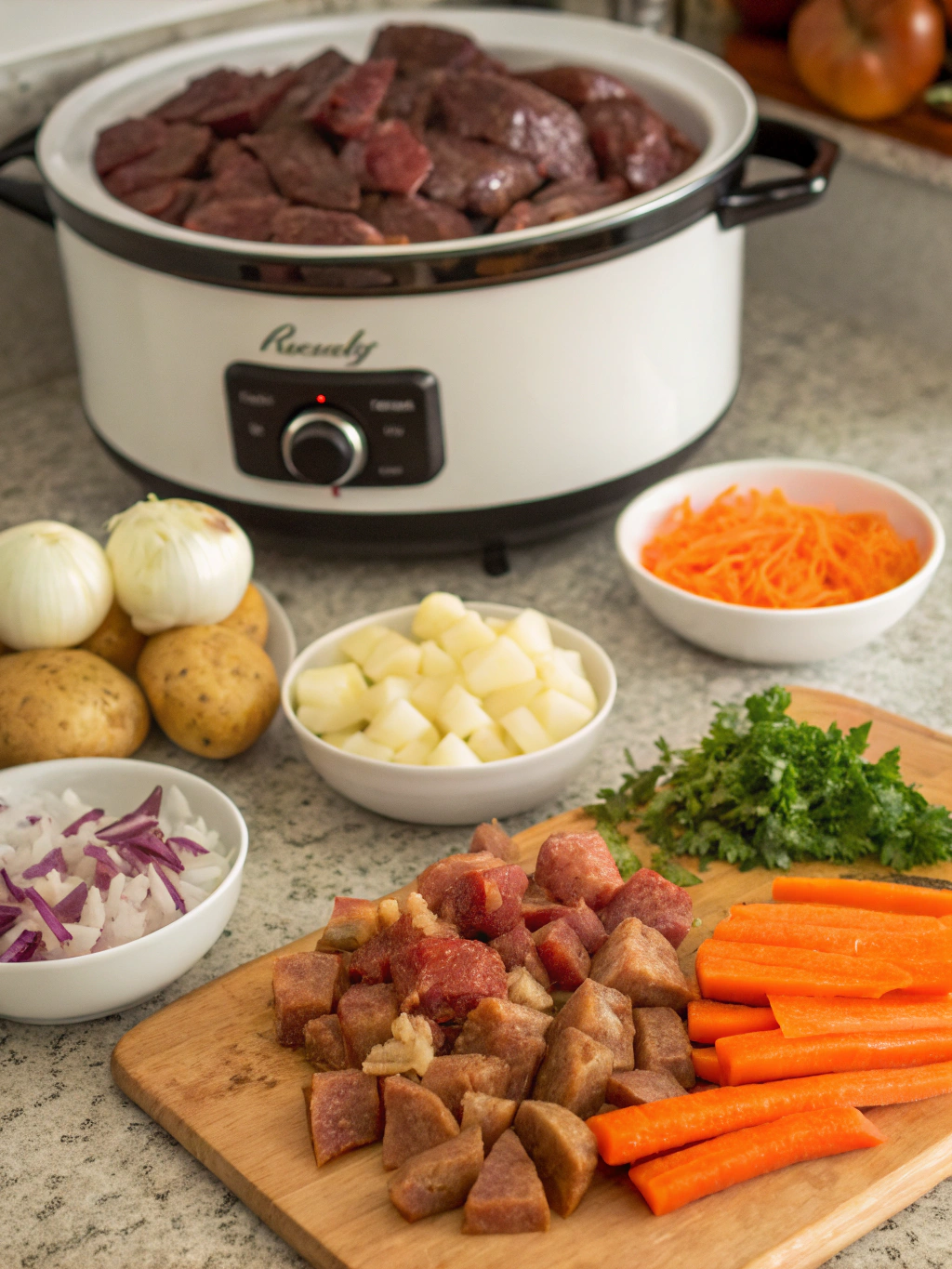
Step 1: Prepare and Season the Beef
Pat your beef dry with paper towels—this crucial step ensures proper browning. Season generously with sea salt, pepper, and smoked paprika on all sides. The drier the surface, the better the caramelization, which adds depth to your final dish.
Step 2: Sear for Maximum Flavor (Optional but Recommended)
Heat avocado oil in a large skillet over medium-high heat. Sear the beef for 2-3 minutes per side until a golden-brown crust forms. This Maillard reaction creates approximately 300 new flavor compounds that significantly enhance taste complexity.
Step 3: Layer Your Slow Cooker
Place onions, garlic, celery, and carrots at the bottom of your slow cooker. These vegetables create a flavorful bed that prevents direct heat contact while infusing the meat with aromatics. Position the seared beef on top.
Step 4: Create the Cooking Liquid
Deglaze your searing pan with red wine, scraping up the flavorful brown bits. Pour this into your slow cooker along with bone broth, tomato paste, bay leaves, thyme, and rosemary. The liquid should reach about halfway up the beef.
Step 5: Set and Forget
Cover and cook on low for 8-10 hours or high for 4-6 hours. Resist the temptation to lift the lid—each peek releases heat and extends cooking time by approximately 15-20 minutes.
Step 6: Check for Doneness
Your beef is ready when it reaches an internal temperature of 190-205°F and easily shreds with a fork. The connective tissues will have broken down into gelatin, creating that signature tender texture.
Step 7: Finish and Serve
Remove bay leaves, taste, and adjust seasoning. For a thicker sauce, transfer 2 cups of cooking liquid to a saucepan and reduce by half, or create a slurry with 2 tablespoons cornstarch and ¼ cup cold water.
Nutritional Information
A typical 6-ounce serving of this healthy slow cooker beef recipe provides:
- Calories: 320-380
- Protein: 42g (84% of daily value)
- Fat: 12g (primarily monounsaturated from grass-fed beef)
- Carbohydrates: 8g
- Fiber: 2g
- Iron: 4.5mg (25% DV)
- Zinc: 8mg (73% DV)
- Vitamin B12: 2.8mcg (117% DV)
- Collagen: Approximately 5-8g from slow-cooked connective tissue
Grass-fed beef contains up to 5 times more omega-3 fatty acids than conventional beef, supporting cardiovascular and brain health.
Healthier Alternatives for the Recipe
Transform your dish to meet specific dietary needs:
For Lower Sodium:
- Use no-salt-added broth and limit added salt to ½ teaspoon
- Enhance flavor with additional herbs, lemon zest, or nutritional yeast
For Paleo/Whole30:
- Replace wine with additional broth and balsamic vinegar
- Swap potatoes for cauliflower florets or turnips
For Higher Protein, Lower Fat:
- Choose extra-lean beef sirloin tip roast
- Trim all visible fat before cooking
- Refrigerate overnight and remove solidified fat layer
For Added Vegetables:
- Include zucchini, bell peppers, or green beans during the last hour
- Add leafy greens like kale or spinach 10 minutes before serving
For Anti-Inflammatory Boost:
- Add 1 tablespoon fresh turmeric and 1 teaspoon black pepper
- Include 2 tablespoons apple cider vinegar
Serving Suggestions
Elevate your healthy slow cooker beef with these creative presentations:
- Classic Comfort: Serve over creamy cauliflower mash or parsnip puree for a low-carb alternative to mashed potatoes
- Mediterranean Style: Pair with herb-roasted Brussels sprouts and a fresh arugula salad with lemon vinaigrette
- Grain Bowl: Layer over quinoa or farro with roasted root vegetables and a drizzle of tahini
- Taco Tuesday: Shred the beef and serve in butter lettuce cups with avocado, pico de gallo, and cilantro
- Meal Prep Winner: Portion into glass containers with steamed broccoli and sweet potato for balanced grab-and-go lunches
Garnish with fresh parsley or chives for a pop of color and additional phytonutrients.
Common Mistakes to Avoid
Overcrowding the Slow Cooker:
Fill only 2/3 full to ensure proper heat circulation. Overfilling can result in uneven cooking and extended cook times.
Using Too Lean Cuts:
While lean meat seems healthier, cuts like eye of round become dry and tough. Chuck roast contains enough marbling for tenderness while remaining relatively lean.
Adding Dairy Too Early:
If your recipe includes cream or yogurt, add these during the last 30 minutes to prevent curdling from extended heat exposure.
Not Trimming Excess Fat:
While some fat is beneficial, large fatty sections don't fully render in a slow cooker and can create an oily texture.
Opening the Lid Repeatedly:
Research shows that each lid lift adds 15-20 minutes to cooking time and disrupts the consistent temperature crucial for tender results.
Skipping the Resting Period:
Allow beef to rest for 10 minutes after cooking before slicing or shredding—this redistributes juices for maximum moisture retention.
Storing Tips for the Recipe
Refrigeration:
- Cool beef to room temperature within 2 hours of cooking
- Store in airtight glass containers for up to 4 days
- Separate meat from vegetables if you prefer different textures upon reheating
- Keep cooking liquid in a separate container—it makes an excellent soup base
Freezing:
- Freeze in portion-sized containers for up to 3 months
- Include some cooking liquid to prevent freezer burn
- Label with date and reheating instructions
- Thaw overnight in the refrigerator for best results
Reheating:
- Stovetop: Add splash of broth and reheat gently over medium-low heat
- Microwave: Use 50% power in 1-minute intervals, stirring between
- Oven: Cover with foil and reheat at 325°F for 20-25 minutes
Pro Tip: The flavors actually deepen after 24 hours, making leftovers even more delicious than the first serving.
Conclusion
Mastering healthy slow cooker beef recipes transforms meal preparation from a daily chore into a strategic wellness practice. By selecting quality ingredients, understanding proper technique, and avoiding common pitfalls, you'll create nutrient-dense meals that support your health goals without sacrificing flavor or satisfaction.
The beauty of slow cooking lies in its versatility—once you understand the basic principles, you can adapt recipes to suit your taste preferences, dietary requirements, and seasonal ingredient availability. Whether you're feeding a family or meal-prepping for the week ahead, these techniques ensure consistently delicious results.
Ready to experience the transformative power of slow-cooked beef? Start with this foundational recipe, experiment with the variations, and discover why millions of home cooks have embraced this time-honored cooking method. Share your results, tag your creations, and join a community of food lovers committed to healthy, delicious eating.
FAQs
Can I cook frozen beef in a slow cooker?
While technically possible, it's not recommended for food safety reasons. Frozen meat spends too long in the "danger zone" (40-140°F) where bacteria multiply rapidly. Always thaw beef completely in the refrigerator before slow cooking.
How do I prevent my beef from drying out?
Ensure adequate liquid (at least 1-2 cups), avoid lifting the lid, and choose cuts with sufficient marbling like chuck roast. If your beef tends toward dry, reduce cooking time by 1-2 hours and check for doneness earlier.
Can I convert a regular beef recipe to slow cooker?
Yes! Reduce liquid by about 50% (slow cookers trap moisture), cut vegetables larger (they won't break down as quickly), and generally cook on low for 8 hours or high for 4 hours. Multiply stovetop cooking time by 4 for low setting, by 2 for high setting.
Why is my slow cooker beef tough?
Paradoxically, it hasn't cooked long enough. Tough cuts require 8-10 hours on low to fully break down connective tissue. If pressed for time, increase to high setting but expect slightly less tender results.
Should I brown beef before slow cooking?
While optional, browning creates superior flavor through the Maillard reaction and renders some surface fat. If time-constrained, skip this step—your dish will still be delicious, just less complex in flavor depth.
Can I add vegetables at the beginning?
Root vegetables (carrots, potatoes, turnips) hold up well for the entire cooking time. Delicate vegetables (zucchini, bell peppers, greens) should be added during the last 30-60 minutes to prevent mushiness.