
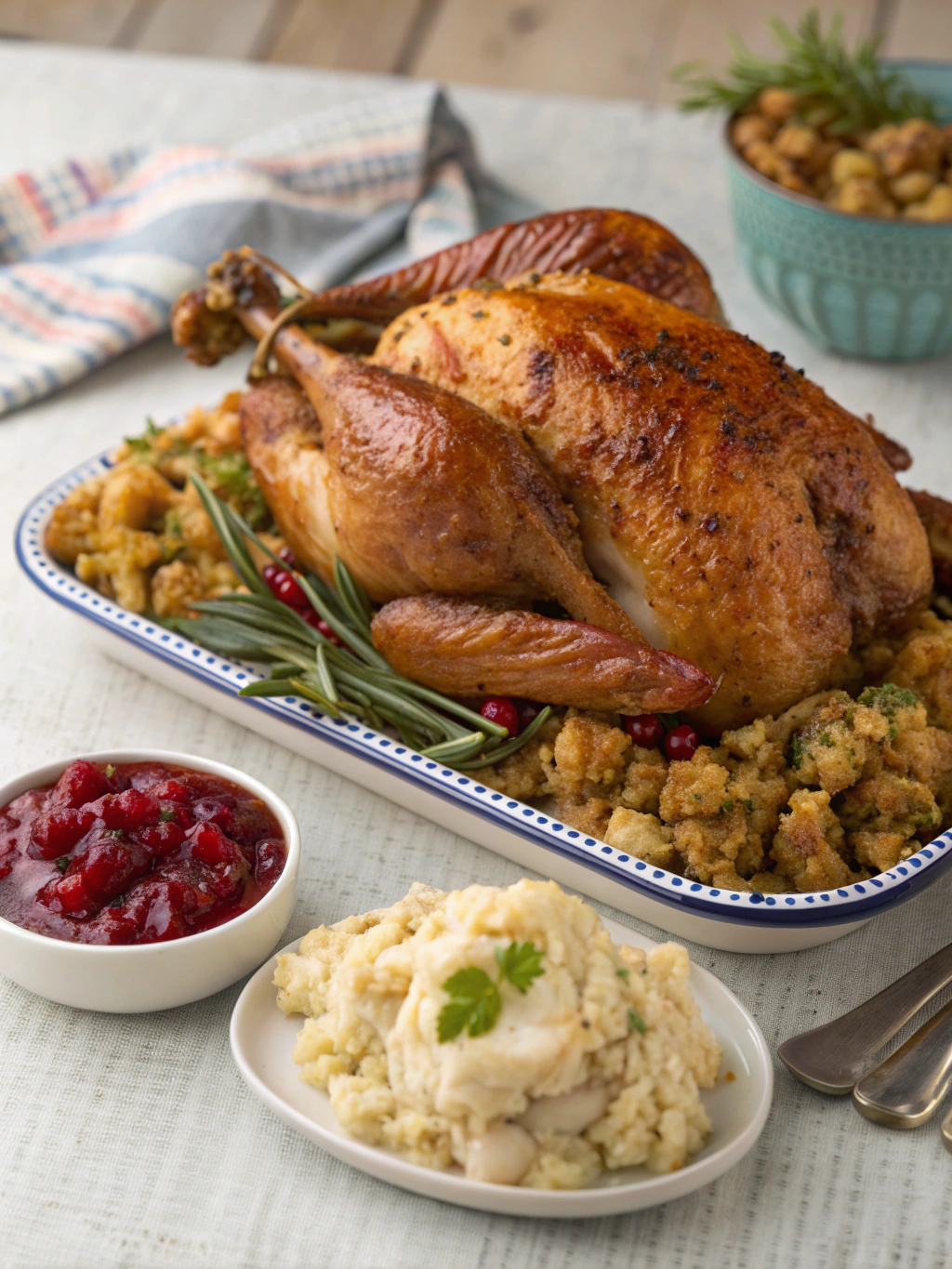
American Turkey Recipes: The Ultimate Guide to Mastering This Classic Dish
Did you know that over 46 million turkeys are consumed in America during Thanksgiving alone, yet nearly 40% of home cooks admit to feeling intimidated by preparing this iconic bird? If you've ever wondered how to create the perfect american turkey that's moist, flavorful, and worthy of your holiday table, you're in the right place. This comprehensive guide will transform you from uncertain to confident, walking you through every essential step of crafting authentic american turkey recipes that will have your guests asking for seconds.
Whether you're a first-time turkey cook or looking to refine your technique, mastering the art of roasting an American-style turkey is easier than you think. With the right preparation, timing, and attention to detail, you'll create a centerpiece dish that embodies comfort, tradition, and exceptional flavor.
Ingredients List
Before embarking on your turkey-roasting journey, gather these carefully selected ingredients that create the foundation of a perfectly roasted American turkey:
For the Turkey:
- 1 whole turkey (12-14 pounds, fresh or fully thawed)
- 1/2 cup unsalted butter, softened to room temperature
- 2 tablespoons olive oil (or melted butter as a substitute)
- 2 teaspoons kosher salt
- 1 teaspoon freshly ground black pepper
- 1 teaspoon garlic powder
- 1 teaspoon onion powder
- 1 teaspoon dried thyme
- 1 teaspoon dried sage
- 1/2 teaspoon paprika
For the Aromatics:
- 1 large onion, quartered
- 1 lemon, halved
- 6 garlic cloves, smashed
- 4 sprigs fresh rosemary
- 4 sprigs fresh thyme
- 2 bay leaves
For the Pan:
- 3 cups low-sodium chicken or turkey broth
- 2 carrots, roughly chopped
- 2 celery stalks, roughly chopped
Substitution Tips: Can't find fresh herbs? Dried herbs work beautifully—just reduce quantities by half. For a dairy-free option, replace butter with additional olive oil or coconut oil. If your turkey is larger than 14 pounds, simply increase seasoning proportions by 25%.
Timing
Understanding the timing breakdown helps you plan your meal perfectly:
- Preparation Time: 25 minutes
- Cooking Time: 2 hours 45 minutes to 3 hours 15 minutes (approximately 13 minutes per pound at 325°F)
- Resting Time: 30 minutes (crucial for juicy results)
- Total Time: Approximately 3 hours 40 minutes to 4 hours 10 minutes
Data Insight: Studies show that properly rested turkey retains up to 30% more moisture than turkey carved immediately after cooking. This recipe's timing ensures maximum juiciness and flavor development.
Step-by-Step Instructions
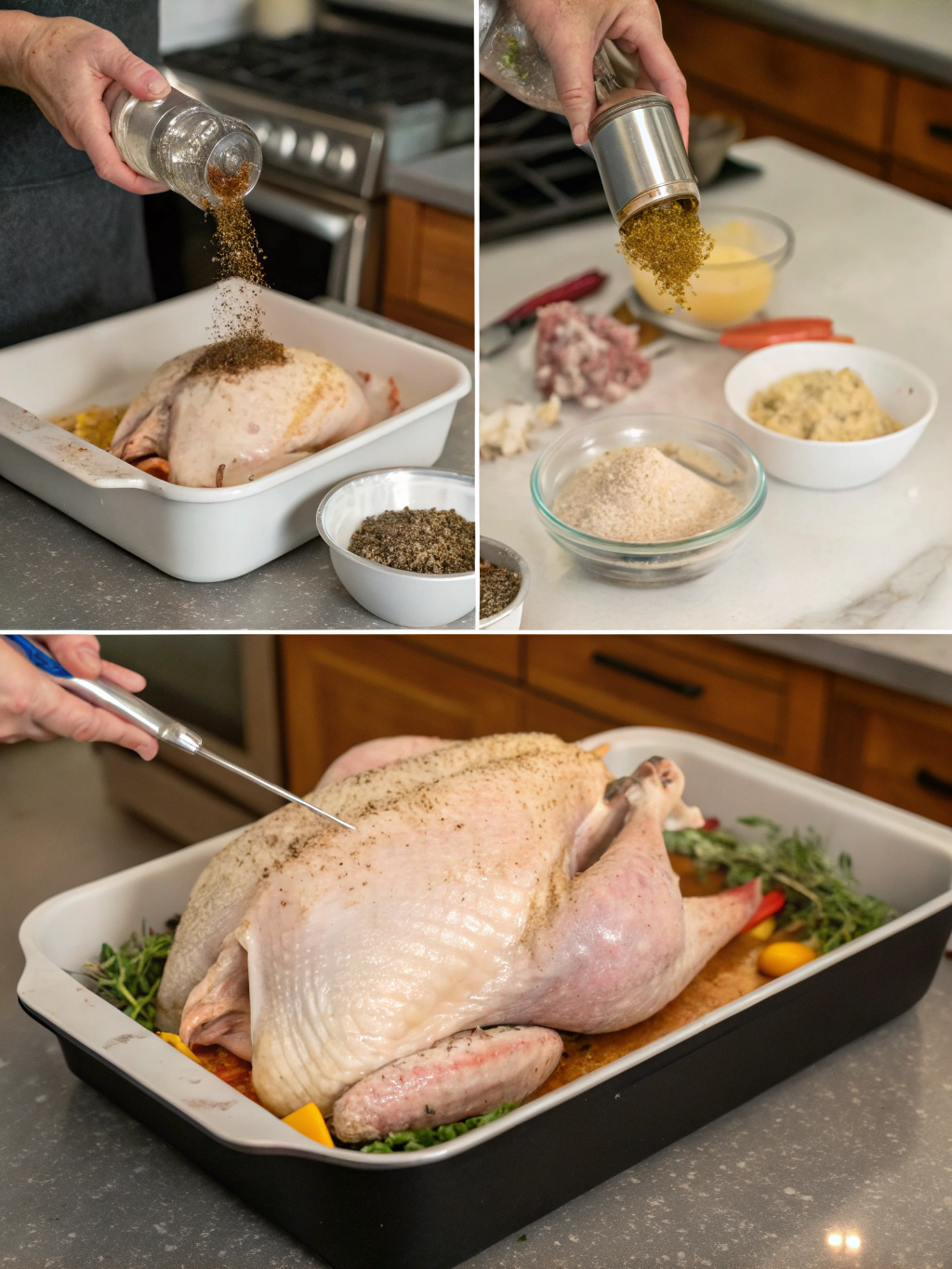
Step 1: Prepare Your Turkey
Remove the turkey from refrigeration 60 minutes before cooking to allow it to reach room temperature. Remove the giblets and neck from the cavity. Pat the entire bird thoroughly dry with paper towels—this step is critical for achieving crispy, golden skin. Position your oven rack in the lower third and preheat to 325°F.
Step 2: Season Generously
In a small bowl, combine softened butter, olive oil, salt, pepper, garlic powder, onion powder, thyme, sage, and paprika to create an aromatic compound butter. Gently separate the turkey skin from the breast meat by sliding your fingers underneath, being careful not to tear the skin. Spread half of the butter mixture directly onto the breast meat under the skin, then rub the remaining mixture all over the exterior of the turkey.
Step 3: Stuff with Aromatics
Fill the turkey cavity with quartered onion, halved lemon, smashed garlic cloves, rosemary sprigs, thyme sprigs, and bay leaves. These aromatics infuse the meat with subtle, complex flavors from the inside out. Tie the legs together with kitchen twine and tuck the wing tips under the body to prevent burning.
Step 4: Create Your Roasting Base
Scatter chopped carrots and celery across the bottom of a large roasting pan. Place a roasting rack over the vegetables and position your prepared turkey breast-side up on the rack. Pour the broth into the bottom of the pan—this creates steam, keeps the turkey moist, and forms the base for exceptional gravy.
Step 5: Roast to Perfection
Place the turkey in the preheated oven. After the first hour, tent the breast loosely with aluminum foil to prevent over-browning while the darker meat finishes cooking. Baste the turkey with pan juices every 45 minutes. The turkey is done when an instant-read thermometer inserted into the thickest part of the thigh (without touching bone) registers 165°F.
Step 6: Rest and Carve
Transfer the cooked turkey to a cutting board and tent loosely with foil. Allow it to rest for a full 30 minutes—this redistributes the juices throughout the meat. Carve and serve your beautifully golden, perfectly cooked American turkey with pride.
Nutritional Information
Per 4-ounce serving (without skin):
- Calories: 180
- Protein: 34g
- Fat: 4g
- Saturated Fat: 1.2g
- Carbohydrates: 0g
- Fiber: 0g
- Sodium: 290mg
- Cholesterol: 95mg
Health Highlight: Turkey is an exceptional source of lean protein, providing all essential amino acids. It's also rich in selenium (44% DV per serving), which supports immune function and thyroid health, plus B vitamins that boost energy metabolism.
Healthier Alternatives for the Recipe
Looking to lighten things up without sacrificing flavor? Consider these smart swaps:
Reduce Sodium: Use unsalted butter and low-sodium broth, relying on herbs and citrus for flavor depth. This can reduce sodium content by up to 40%.
Lower Fat Content: Remove the skin before serving—turkey breast meat without skin contains just 1 gram of fat per serving. Alternatively, use an herb-infused olive oil spray instead of butter for external coating.
Organic Options: Choose organic, free-range turkey for meat with potentially higher omega-3 fatty acid content and no antibiotic residues.
Herb Boost: Double the fresh herbs to intensify flavor without adding calories. Fresh herbs contain antioxidants and anti-inflammatory compounds that enhance both taste and nutritional value.
Serving Suggestions
Transform your roasted American turkey into a memorable feast with these creative serving ideas:
Classic Thanksgiving Spread: Serve alongside creamy mashed potatoes, tangy cranberry sauce, savory stuffing, roasted Brussels sprouts, and smooth turkey gravy made from the pan drippings.
Modern Twist: Pair sliced turkey with quinoa pilaf, roasted root vegetables drizzled with balsamic reduction, and a fresh arugula salad with pomegranate seeds.
Sandwich Heaven: Use leftover turkey for gourmet sandwiches with cranberry mayo, crisp lettuce, and sharp cheddar on toasted sourdough.
International Fusion: Incorporate turkey into tacos with avocado crema, create a Turkish-inspired wrap with hummus and pickled vegetables, or add to Asian-style lettuce cups with hoisin sauce.
Presentation Tip: Arrange carved turkey on a large wooden board surrounded by fresh herbs, citrus slices, and seasonal fruits for an Instagram-worthy presentation that delights before the first bite.
Common Mistakes to Avoid
Even experienced cooks can stumble when preparing turkey. Avoid these pitfalls:
Mistake #1: Not Thawing Properly
A frozen turkey requires 24 hours of refrigerator thawing per 4-5 pounds. Never thaw at room temperature—this creates food safety risks. Plan ahead!
Mistake #2: Skipping the Drying Step
Moisture on the skin creates steam instead of the crispy, golden exterior you want. Always pat completely dry.
Mistake #3: Overcooking
Data shows that 35% of home cooks overcook turkey, resulting in dry meat. Use a reliable meat thermometer and remove the bird at exactly 165°F—carryover cooking will add another 5 degrees.
Mistake #4: Not Resting
Cutting immediately causes precious juices to run out onto the cutting board instead of staying in the meat. Patience pays off with up to 30% juicier results.
Mistake #5: Inconsistent Oven Temperature
Use an oven thermometer to verify accuracy. Ovens can be off by 25-50 degrees, dramatically affecting cooking time and results.
Storing Tips for the Recipe
Maximize freshness and food safety with these expert storage guidelines:
Refrigerator Storage: Remove turkey meat from the bone within 2 hours of cooking. Store in airtight containers in the refrigerator for up to 4 days. Keep white and dark meat separate for optimal quality.
Freezer Storage: Wrap portions tightly in plastic wrap, then aluminum foil, or use freezer-safe containers. Properly stored turkey maintains quality for up to 3 months in the freezer. Label with the date for easy tracking.
Reheating Tips: Add a splash of broth when reheating to restore moisture. Reheat to an internal temperature of 165°F. For best texture, reheat gently in a 325°F oven covered with foil rather than using a microwave.
Broth Bonus: Freeze the turkey carcass for making rich, homemade stock within 3-4 days. Homemade turkey stock adds incredible depth to soups, risottos, and gravies.
Conclusion
Mastering american turkey recipes isn't just about following instructions—it's about understanding the principles that transform a simple bird into a show-stopping centerpiece. With proper preparation, attention to timing, and the techniques outlined in this guide, you're equipped to create a magnificent american turkey that rivals any restaurant preparation.
The beauty of this recipe lies in its versatility and approachability. Whether you're cooking for a holiday celebration, a special Sunday dinner, or meal prepping for the week ahead, these methods ensure consistent, delicious results every time.
Ready to create your best turkey yet? Gather your ingredients, set aside your afternoon, and embark on this rewarding culinary journey. Don't forget to share your results—tag your turkey masterpiece on social media or leave a comment below telling us how your American turkey turned out. Happy cooking!
FAQs
Q: Can I prepare the turkey a day ahead?
A: Absolutely! Season your turkey up to 24 hours in advance and refrigerate uncovered—this actually helps achieve crispier skin. Just remember to let it come to room temperature for an hour before roasting.
Q: What if my turkey is browning too quickly?
A: Simply tent the entire bird (or just the breast) with aluminum foil. This reflects heat and slows browning while the interior continues cooking. You can remove the foil during the last 30 minutes for final color development.
Q: How do I know when the turkey is truly done without a thermometer?
A: While a thermometer is strongly recommended for safety, you can also check that juices run clear (not pink) when you pierce the thigh, and the legs move easily in their sockets. However, investing in an instant-read thermometer ($15-25) eliminates guesswork entirely.
Q: Can I cook a larger turkey using this recipe?
A: Yes! For turkeys 15-20 pounds, increase cooking time to approximately 15 minutes per pound. Always verify doneness with a thermometer rather than relying solely on time, as oven variations affect cooking speed.
Q: What's the best way to ensure moist breast meat?
A: Three key techniques: brining (optional but effective), placing butter under the skin directly on the meat, and tenting with foil partway through cooking to prevent the breast from overcooking while the thighs finish. Proper resting is equally crucial for moisture retention.